
Many people think of dental hygiene appointments as “just a cleaning.” In reality, these routine visits play an important role in supporting not only your teeth and gums, but your overall health. Research continues to show strong associations between oral health and conditions affecting the heart, lungs, brain, and immune system.
Your mouth is not separate from your body it is one of its main entry points.
If you’re wondering whether skipping cleanings really matters, the answer is yes — and here’s why.
The Mouth: A Gateway to the Body
Your mouth naturally contains hundreds of species of bacteria. Many are harmless. However, when oral hygiene is neglected and plaque accumulates, harmful bacteria can begin to dominate.
Healthy gums act as a protective barrier between oral bacteria and the bloodstream. When gums become inflamed or infected, this barrier weakens.
Signs of gum disease may include:
- Red or swollen gums
- Bleeding during brushing or flossing
- Gum tenderness
- Persistent bad breath
Once gum disease develops, bacteria are no longer confined only to the mouth.
How Oral Bacteria Can Enter the Bloodstream
This process typically occurs in stages:
1. Plaque Accumulation
Plaque forms when bacteria feed on sugars and starches. If plaque is not removed regularly, it hardens into tartar, which cannot be brushed away at home.
2. Gum Inflammation (Gingivitis)
The immune system responds to bacterial toxins by increasing blood flow to the gums. This causes swelling and bleeding and is often an early warning sign.
3. Breakdown of the Gum Barrier
Ongoing inflammation can create microscopic openings in the gum tissue, particularly along the gumline.
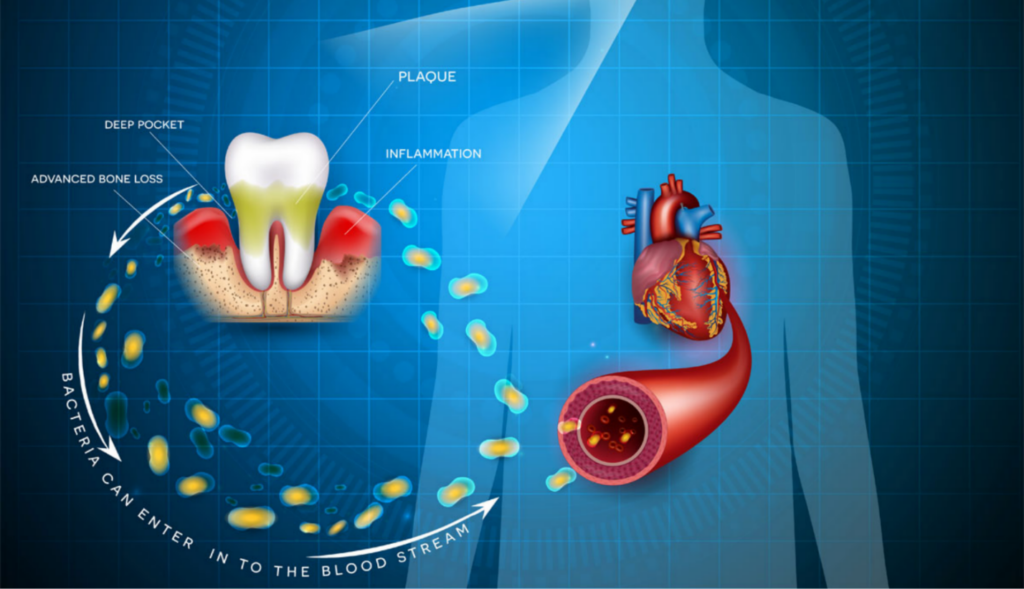
4. Bacteria Enter the Bloodstream (Bacteremia)
Through these small openings, bacteria and their byproducts may enter nearby blood vessels. Even everyday activities like chewing or brushing can introduce bacteria into circulation when gums are unhealthy.
5. Systemic Inflammatory Response
Once in the bloodstream, bacteria can trigger inflammatory responses that may affect distant organs.
The Link Between Gum Disease and Heart Health
One of the strongest associations observed in medical research is between gum disease and cardiovascular disease.
Studies have found oral bacteria:
- Within arterial plaques
- Associated with inflammation of blood vessels
- Linked to increased risk of heart attack and stroke
Chronic inflammation related to periodontal disease may place additional strain on the cardiovascular system and contribute to damage to blood vessels over time.
How Poor Oral Health May Affect Other Body Systems
Lung Health
Bacteria from the mouth can be inhaled into the lungs, especially in older adults or those with compromised immune systems. This may increase the risk of:
- Pneumonia
- Respiratory infections
- Complications in chronic lung disease
Brain Health
Some research suggests that certain oral bacteria and inflammatory markers are associated with:
- Increased risk of cognitive decline
Diabetes and Blood Sugar Control
Gum disease and diabetes influence each other:
- Inflammation may worsen insulin resistance
- Poor blood sugar control can accelerate gum tissue damage
Immune System
Chronic oral infection contributes to ongoing inflammation, which may interfere with the body’s ability to regulate immune responses efficiently and heal properly.
Why Professional Dental Hygiene Appointments Matter
Professional cleanings offer benefits beyond cosmetic improvement.
Dental hygienists:
- Remove tartar below the gumline where toothbrushes cannot reach
- Identify early signs of gum inflammation before pain develops
- Reduce harmful bacteria in the mouth
- Help preserve the integrity of the gum barrier
- Provide personalized prevention strategies
By reducing oral bacteria and inflammation, hygiene visits help interrupt the pathway from mouth to bloodstream and support overall wellness.
Prevention Is Powerful Medicine
Dental hygiene visits should be viewed as part of your overall healthcare routine similar to physical exams or blood pressure checks. They are preventive, proactive, and protective.
Healthy gums help support:
- Healthy circulation
- Cardiovascular wellness
- Balanced immune function
- Long-term oral and systemic health
Your smile matters and so does everything it supports.